As India looks towards building a greener and more inclusive economy, bamboo is emerging as one of the country's most promising yet underutilised resources.
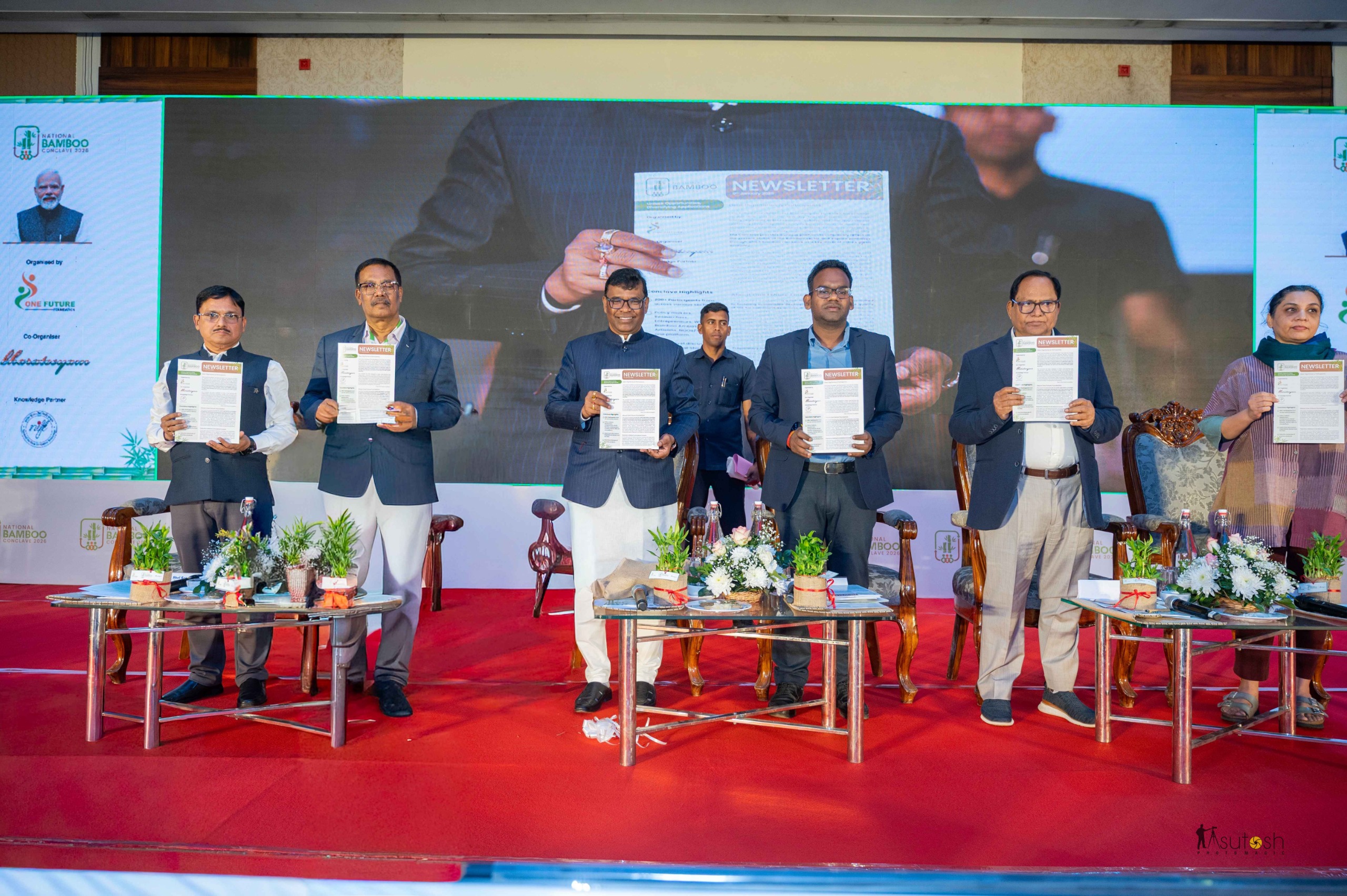
Recognising its potential to generate livelihoods, strengthen rural enterprise and contribute to climate resilience, One Future Foundation, in association with Bharateeyam Trust, convened the National Bamboo Conclave 2026 on 9th January in Bhubaneswar. Bringing together policymakers, researchers, entrepreneurs, artisans, designers and development practitioners from across the country, the Conclave explored how bamboo can become a catalyst for sustainable growth, community empowerment and green economic development.
The Opportunity Is Bigger Than Bamboo
A common question emerged from district-level consultations prior to the Conclave in Balasore, Mayurbhanj and Dhenkanal: how can bamboo move beyond livelihoods and become a driver of sustainable development? There’s so much more to bamboo than we usually think. When it comes to bamboo, the narrative is often limited to handicrafts and rural livelihoods. But bamboo can do much more. It can create new opportunities for communities, support eco-businesses and contribute to a greener economy.
That’s what One Future Foundation discovered through its work with stakeholders across Odisha’s bamboo ecosystem. While bamboo was abundant, opportunities around it remained fragmented. Artisans struggled to access quality raw materials, entrepreneurs wanted to scale, and producers lacked access to technology, training and markets.
Where Local Realities Meet National Conversations
The question was no longer whether bamboo had potential, but how that potential could be unlocked.
Organised by One Future Foundation and Bharateeyam Trust, the National Bamboo Conclave 2026 brought together policymakers, researchers, entrepreneurs, artisans, designers, architects and industry leaders from across the country. More than an event, it was a platform for dialogue, collaboration and practical problem-solving.
By bringing diverse stakeholders together, the Conclave connected grassroots realities with policy perspectives, research insights and market opportunities.
Rethinking What Bamboo Can Do
The discussions highlighted bamboo's growing relevance in addressing challenges ranging from livelihood generation and rural development to sustainability and climate resilience.
Participants explored how innovation, technology and design can expand bamboo's role across sectors. From sustainable architecture and value-added products to green businesses and emerging market opportunities, bamboo is increasingly being viewed as a resource with possibilities far beyond its traditional applications.
Building an Ecosystem, Not Just an Industry
One message echoed throughout during the Conclave: no single stakeholder can fully tap into the sector's potential just by themselves. In order to strengthen the bamboo ecosystem will require closer collaboration between government institutions, researchers, industry, financial enablers and community enterprises. Discussions also highlighted how important it is to develop skills, support businesses, provide access to markets, and use sustainable farming methods for lasting change.
Beyond a One-Day Event
For Odisha, the opportunity is significant. The state has abundant natural resources, a rich tradition of craftsmanship and growing institutional support, the state has the potential to emerge as a leader in bamboo-based livelihoods and enterprises.
The National Bamboo Conclave is part of One Future Foundation's broader effort to connect communities, organizations, and thoughts to achieve common development goals. Although the event has concluded, the effort to create a stronger and more durable bamboo ecosystem is just starting.